Wood Texture: A Timeless Design Element
Wood texture brings warmth, depth, and authenticity to design projects. Whether you're a graphic designer, content creator, or small business owner, understanding and utilizing wood textures can elevate your work. From dark wood backgrounds to vintage brown wood, the right texture can transform a simple layout into something visually compelling.
Wood textures come in many forms—old grunge wood, bamboo surfaces, and wooden floors all offer unique visual characteristics. These textures are not just aesthetic choices; they can also communicate mood, style, and even brand identity. For instance, a black wood background might suggest sophistication, while a top view wood background could add a natural, grounded feel to a project.
Understanding Wood Texture
Wood texture refers to the visible surface pattern of wood, including grain, knots, and imperfections. These details give wood its character and make it distinct from other materials. In design, wood textures are often used as backdrops, overlays, or decorative elements. They can be applied to digital projects, print media, or physical products.
What makes wood texture interesting is its versatility. It can be used in both modern and traditional settings. A realistic wood texture, for example, can add a sense of authenticity to a website or app interface. On the other hand, a more abstract or stylized version might suit a creative project or artistic concept.
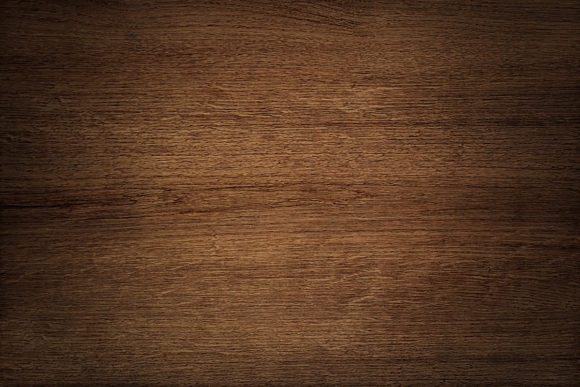
Designers often use wood textures to create contrast. A dark texture wood backdrop can make text stand out, while a lighter, more neutral wood background can provide a calm and inviting atmosphere. The key is to choose a texture that complements the overall design and serves the intended purpose.
Creative Applications of Wood Texture
Wood texture has a wide range of applications across different industries. In graphic design, it's commonly used as a background for logos, posters, and social media posts. For example, a wooden background with a straight view mockup can add a rustic feel to a product image or promotional material.
For content creators, wood textures can be useful in creating visual content for blogs, YouTube videos, or Instagram posts. A top view wood background can serve as a clean, professional backdrop for tutorials or product reviews. Similarly, an empty copy space with a wood mockup can help visualize how text or graphics will look in a real-world setting.
Marketers and entrepreneurs can benefit from using wood textures in their branding. A vintage brown wood texture might align with a brand that emphasizes craftsmanship, sustainability, or nostalgia. It can be used on packaging, websites, or marketing materials to create a cohesive and memorable visual identity.
Choosing the Right Wood Texture
Selecting the right wood texture depends on the project’s goals and target audience. If you're designing for a modern, minimalist audience, a smooth, clean wood texture might be more appropriate. However, if you're targeting a more traditional or artisanal market, an old grunge wood or dark texture wood could be a better fit.
Consider the context in which the texture will be used. A wooden floor texture might work well in a home decor or interior design project, while a bamboo surface could be ideal for eco-friendly or nature-themed designs. Each type of wood offers a different feel and message, so it's important to match the texture to the project's tone and purpose.
When working with wood textures, it's also helpful to experiment with layering and blending. Combining a wood texture with a solid color or another pattern can create a dynamic and engaging visual effect. For example, a wooden background with a subtle grain overlay can add depth without overwhelming the design.
Practical Tips for Using Wood Texture
To make the most of wood textures, start by selecting high-quality images or digital files. Realistic wood textures should have clear details and accurate lighting to maintain visual integrity. Avoid low-resolution or overly processed textures, as they can appear unprofessional or inconsistent.
Use wood textures strategically. Overusing them can make a design feel cluttered or chaotic. Instead, apply them thoughtfully—perhaps as a background, border, or accent element. This approach ensures the texture enhances the design rather than detracts from it.
Test your designs in different formats and platforms. A wood texture that looks great on a desktop screen may not translate well to mobile devices. Ensure that the texture remains visible and effective across various devices and resolutions.
Wood Texture in Digital Projects
In digital design, wood textures are often used as backdrops or overlays. A black wood texture can add a dramatic and sophisticated look to a website or app interface. Meanwhile, a wooden background with a straight view mockup can help visualize how content will appear in a real-world context.
For content creators, wood textures can be used in video editing, photo collages, or social media templates. An empty mockup with a wood texture allows for easy customization, making it a versatile tool for showcasing text, images, or graphics. Similarly, a blank space with a top view wood background can serve as a canvas for creative experimentation.
Designers can also use wood textures in font display or text display projects. A vintage brown wood texture, for example, can enhance the readability and aesthetic appeal of typography. This combination can be particularly effective for branding, signage, or editorial layouts.
Conclusion
Wood texture is more than just a visual element—it's a powerful tool for storytelling, branding, and design. Whether you're working on a digital project, a print layout, or a physical product, choosing the right wood texture can make a significant difference. By understanding the different types of wood textures and their applications, you can create designs that are both functional and visually engaging.